
 Start a file
Start a file
Start a file
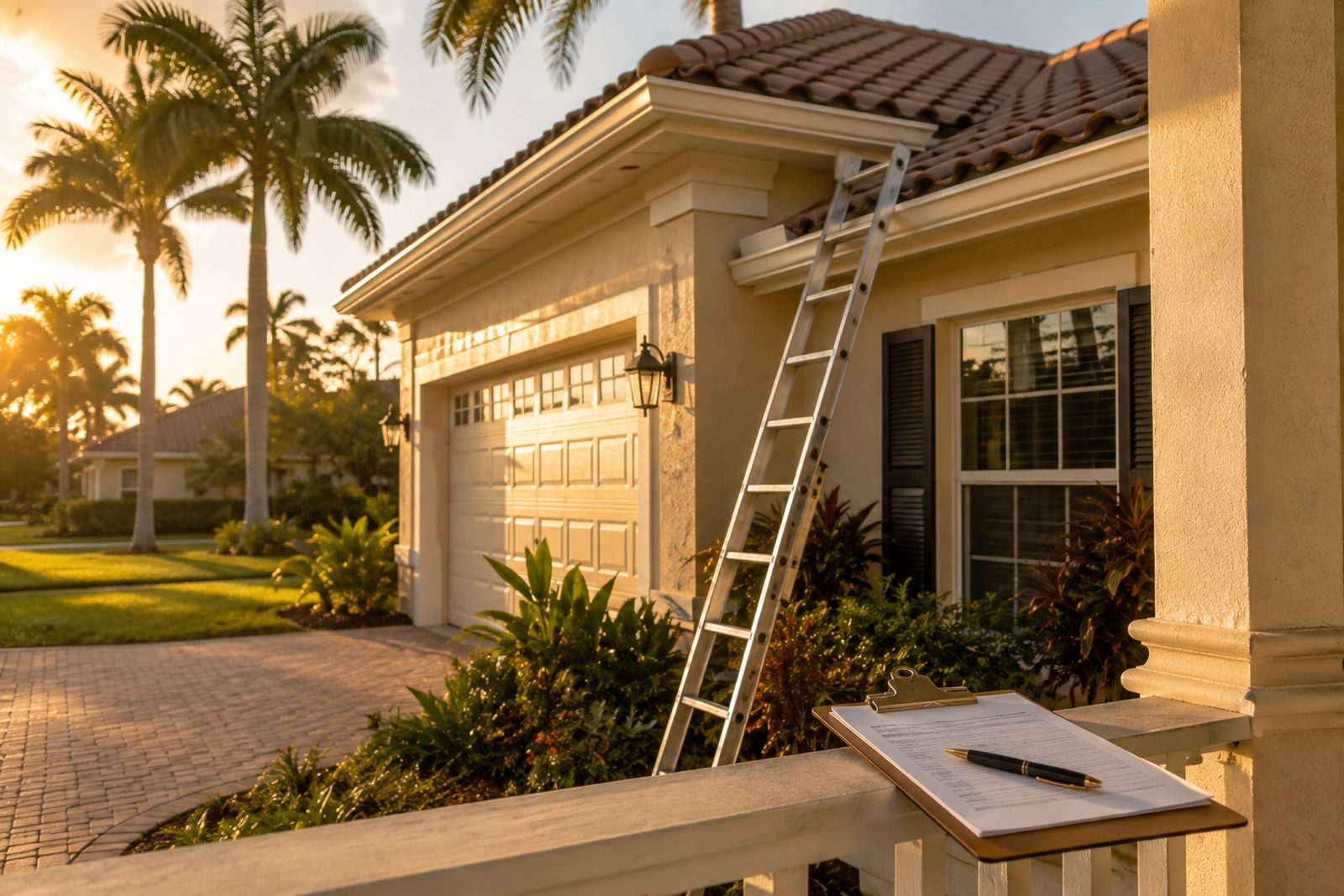
Inspection week can get busy fast.
The buyer schedules a general inspection. The inspector recommends having the roof looked at more closely. Insurance needs a 4-point and wind mitigation report. There's a pool, so now a pool inspection gets added. Someone wants a WDO inspection. The inspection report comes back and the agent needs to review everything with the buyer.
Meanwhile, the rest of the transaction hasn't stopped. Escrow, title, financing, association applications, and client communication are all still moving too.
This is why I treat inspections as more than one appointment on the calendar.
Once a file opens, one of the first things I want to know is whether the buyer already has an inspector. If not, the agent may have preferred inspectors they regularly recommend.
Once the buyer makes their choice, I help get the appointment coordinated and make sure everyone who needs the details has them.
That includes confirming things like:
The sooner the main inspection is scheduled, the more room there is to deal with anything else that comes out of it.
A general home inspection may be only the beginning.
Depending on the property, the buyer, and what comes up during the inspection, additional inspections might include:
Not every property needs all of these. But when another inspection is requested, it creates another appointment, another vendor, another report, and another item to track.
This comes up often in Florida because our properties can have everything from pools and seawalls to older roofs, septic systems, hurricane protection, and specialized insurance requirements.
Florida insurance adds another layer.
Depending on the property and the buyer's insurance carrier, the buyer may need additional documentation such as a 4-point inspection or wind mitigation inspection.
A 4-point generally looks at four major systems:
A wind mitigation inspection documents certain construction and wind-resistant features of the home and may affect available insurance credits.
These aren't the same thing as the buyer's general home inspection. Sometimes the home inspector can complete them during the same visit. Sometimes they are separate.
Either way, if the buyer or insurance agent needs them, I want to know early so we're not scrambling for a report later.
Access is easy to take for granted.
I've seen inspections complicated by:
A little coordination beforehand can save everyone from needing a return trip. If there are special circumstances at the property, I want those worked out before the inspector arrives.
Once the inspection is over, the paperwork starts.
If there were several inspections, there may be several reports coming from different vendors at different times. I keep track of what's been received so the agent isn't digging through an email thread trying to remember whether the roof report ever came in.
Depending on the transaction, that might include:
My job isn't to evaluate what the findings mean for the buyer. My job is to make sure the reports don't disappear into somebody's inbox.
This happens all the time.
The general inspector sees something and recommends that the buyer have it evaluated further. Maybe it's the roof. Maybe the HVAC isn't cooling properly. Maybe there is moisture somewhere. Maybe something electrical needs a closer look.
Now another vendor needs access to the property, sometimes on a fairly tight timeline.
That is why getting the first inspection done early matters. It leaves more room for follow-up when something unexpected comes up.
Inspection week can generate a lot of communication.
The buyer may be nervous after seeing a long inspection report. The inspector may be recommending another specialist. The listing side may be coordinating access. Another appointment may need to be scheduled.
I keep the logistics organized and make sure the agent and client know where things stand.
The agent can focus on the conversation with the buyer. I can focus on making sure the moving pieces around that conversation get handled.
In Florida, inspection findings and insurance can overlap.
A roof, electrical panel, plumbing issue, water heater, or HVAC system may become relevant when the buyer is shopping for coverage.
That doesn't mean every inspection issue creates an insurance issue. It does mean I don't treat insurance as something that starts the week before closing.
If the insurance agent needs a 4-point, wind mitigation report, roof documentation, or another item from the inspection, it's much easier to get it while everyone is already working on the property.
Sometimes inspection-related work continues after the initial inspection phase.
If repairs or other work are being completed as part of the transaction, there may be:
I track the items that need to come back into the file and follow up for the documentation.
This is another place where it's easy for everyone to assume somebody else got the receipt. I'd rather know we have it.
If the buyer wants an inspector or specialist to return to the property, that appointment needs to be coordinated too.
I want to know:
The goal is to avoid getting to closing week and suddenly realizing there was supposed to be another inspection.
The final walkthrough is not something I lump together with the original inspection. It's another appointment that needs to be scheduled and communicated.
By that point, there may also be inspection-related items the buyer and agent want to see during the walkthrough.
I coordinate the logistics so everyone knows when it is happening and access is arranged. One less thing for the agent to chase right before closing.
My inspection tracking covers four areas: the appointments, the access, the reports, and the follow-through.
That means the main inspection plus whatever specialty inspections the property calls for, confirmed access and utilities for every appointment, reports received and forwarded to the right people, and everything the reports set in motion, from repair documentation to re-inspections, through to the final walkthrough.
A simple inspection touches only a few of those. A complicated property touches most of them.
Inspection week is a perfect example of how a transaction can go from simple to busy in about 24 hours.
It might start with one home inspector. By the next afternoon, there is a roofer coming Thursday, a pool inspection Friday, the insurance agent asking for a 4-point, and everyone waiting on a report that hasn't arrived yet.
None of that is unusual. It just needs to be tracked.
I make sure appointments are coordinated, access is confirmed, reports are followed up on, additional inspections don't get forgotten, and the agent and client know what's happening.
The agent still handles the agent part. I handle the details happening around it.
Angela Kratzert is the founder of MasterKey TC and a Florida-licensed real estate professional.
Since 2021, Angela has coordinated more than 750 Florida real estate closings, including transactions for one of Southwest Florida's top-producing luxury real estate teams.
Through MasterKey TC, she provides dedicated contract-to-close transaction coordination for Florida real estate agents, managing transaction deadlines, inspections, documentation, association requirements, title and lender follow-up, client communication, and the administrative details between executed contract and closing.
Learn more about MasterKey TC's Florida transaction coordination services.
MasterKey TC handles the administrative side of the transaction from contract to close, including inspection coordination and follow-up, escrow tracking, association requirements, title and lender communication, and closing preparation.
New to MasterKey? Complete onboarding once and you're ready to send over your next transaction.
Already onboarded? Submit your new file at masterkeytc.com/go.
This article is for general informational purposes only. Inspection, insurance, and brokerage requirements can vary by property and transaction.
Serving agents across all of Florida, including Southwest Florida